From Helper to Head Chef: Helping Your Domestic Helper Master Local Cuisine
Empower your domestic helper to master local cuisines with confidence. This guide offers practical tips to integrate new culinary skills, enriching your family's meals and fostering a harmonious kitchen environment.
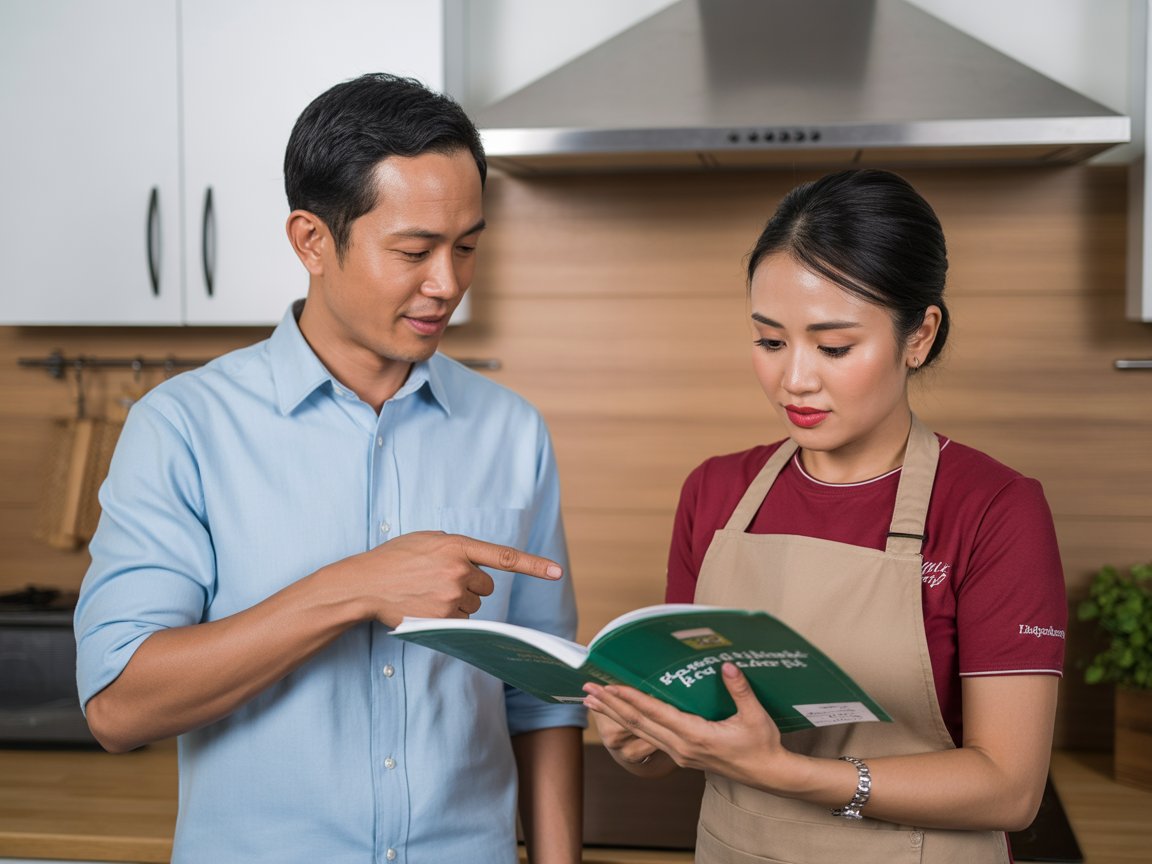
For many busy parents in Singapore, coming home to a delicious, home-cooked meal is one of life’s greatest comforts. Our domestic helpers are invaluable partners in making this happen. However, bridging the culinary gap can be a real challenge. They may not be familiar with the specific taste of hae bee hiam, the right consistency for sambal, or know that we don’t usually make prata at home (although you could).
In a food paradise like Singapore, with its rich mix of Chinese, Malay, and Indian flavours, this learning curve can be steep. How can we empower them to not just follow a recipe, but to truly understand the heart of our local dishes? Here are some practical tips to help your helper confidently master your family’s favourite foods.
Start with Simple, Foundational Dishes
Instead of jumping straight into complex recipes like Beef Rendang, start with the basics. This builds confidence and familiarizes them with the core flavours of Singaporean cuisine.
Soups: A simple ABC soup or winter melon soup is hard to get wrong and teaches them about balancing flavours with minimal ingredients.
Stir-fries: Basic dishes like stir-fried kailan with garlic or chicken with ginger and spring onions teach fundamental wok skills and proper heat control.
Use Instant Pastes: Pre-made pastes for dishes like chicken curry or laksa can be excellent starting points. This allows them to focus on getting the ingredients and cooking process right without being overwhelmed. Just because they’re instant doesn’t mean they’re not good—many Singaporean households use them regularly.
Bridge the Flavour Gap with Tasting Sessions
You can’t cook what you don’t know. One of the best ways to teach is through taste.
Eat Out Together: The next time you’re at a hawker centre, order a plate of your favourite char kway teow or chicken rice. Let your helper taste it and explain what you enjoy about it. “See how the wok hei gives it that smoky taste?” or “The chilli should be tangy, not just spicy.” These reference points are invaluable.
Cook For Them: The first time you want them to learn a dish, cook it yourself while they watch and assist. Let them taste the final product. This provides a clear benchmark for them to aim for and shows them exactly what success looks like.
Order In: Takeaway from a trusted local restaurant can serve as a “taste textbook” for them to study and learn from, especially for dishes that are difficult or time-consuming to make.
Practice Patience and Give Constructive Feedback
It’s unlikely the first attempt at chap chye will taste exactly like your grandmother’s. That’s perfectly okay. A positive and encouraging environment is essential for learning.
Instead of saying “This is wrong,” offer specific, constructive feedback:
- “This is a great start! Next time, let’s try adding a little more coconut milk to the curry to make it creamier.”
- “The texture of the vegetables is perfect. For the sauce, let’s add a bit less sugar next time.”
This approach fosters collaboration and encourages them to improve without fear of failure. Remember, they’re learning an entirely new cuisine—patience goes a long way.
Plan Your Meals Together
“What to cook today?” is a stressful question for anyone. For a helper unfamiliar with local eating habits, it’s even more daunting. They don’t know our typical meal structure—one meat, one vegetable, one soup—or what dishes are appropriate for different occasions.
Collaborate on a weekly meal plan. This removes the guesswork and empowers them to cook with a clear goal. You can list the dishes for the week and even provide links to specific recipes. This also ensures a balanced diet for the family and prevents the last-minute scramble.
To streamline this process, using a dedicated meal planning app can be a lifesaver. OurMenu is designed for busy families just like yours. You can easily plan your weekly meals, discover new recipes tailored to your preferences, and automatically generate a shopping list. This takes the mental load off both you and your helper, ensuring your kitchen is always stocked and ready for the week ahead.
Embrace Video Recipes
A written recipe can be ambiguous. What does “stir-fry until fragrant” really mean? How much is “a dash” of soy sauce? Video recipes eliminate this confusion.
Encourage your helper to watch videos from local cooking channels like The MeatMen SG, Spice N’ Pans, or Share Food Singapore. These channels provide clear, step-by-step visual instructions that transcend language barriers, showing everything from the size of chopped ingredients to the exact colour of a perfectly caramelised sauce.
Videos also demonstrate proper techniques—how to handle a wok, when to add ingredients, and how to tell when something is properly cooked. These visual cues are much more effective than written descriptions.
Go Grocery Shopping Together
The local NTUC or wet market can be overwhelming for someone unfamiliar with Singaporean ingredients. Take your helper with you the first few times.
Show them the difference between light and dark soy sauce, which brand of coconut milk you prefer, how to pick fresh fish or vegetables, and where to find specialty items like belacan or tamarind paste. Point out the frozen section staples, explain seasonal produce, and teach them how to read local packaging.
This practical knowledge prevents costly mistakes and builds their confidence in managing the household grocery needs independently.
Conclusion
With a little patience, clear communication, and the right support, your helper can become a confident and skilled cook of local Singaporean cuisine. This not only enriches your family’s dining table but also fosters a deeper, more appreciative working relationship.
By investing time in their culinary skills, you’re investing in a happier, more harmonious home where everyone can enjoy the comforting flavours of good home-cooked food. And with tools like OurMenu to handle the planning logistics, you can focus on what matters most—teaching, tasting, and enjoying meals together.
Make meal planning easier for your whole household. Try OurMenu and take the stress out of deciding what to cook.